Dental disease is one of the most common problems we see, and one of the easiest to prevent. A regular dental check-up plus a bit of home care goes a long way.
Despite being so common, periodontal disease often goes undiagnosed. Partly because of limited awareness and education, but also because the condition frequently presents with minimal or no visible symptoms.
Dental care is important because periodontal disease has been linked to serious systemic health issues, including:
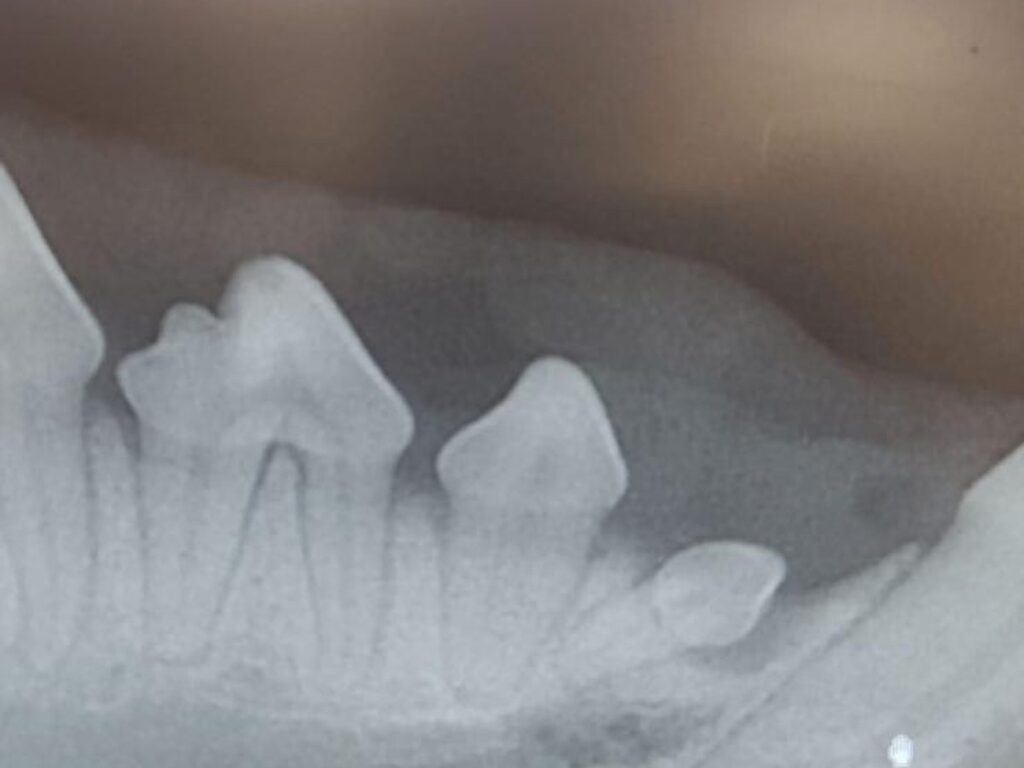
Starts with plaque formation, a sticky layer of saliva and food particles that sticks to the teeth and forms tartar. Tartar hardens and can cover most of the tooth. If untreated, bacteria can invade the gum line and cause redness, swelling and loosening of the gum's attachment to the tooth. This can lead to loose teeth, infected teeth, abscesses and dental pain. Extremely uncomfortable for your pet, and why extractions are often necessary.
Often referred to as FORLs (Feline Odontoclastic Resorptive Lesions). This is where the body mistakenly attacks and dissolves part of the tooth. A very common, painful disease where the body destroys tooth structures like enamel and dentin. There is no cure, and extractions are often the only way to resolve it. Most prevalent in cats but can be seen in dogs.
Occur due to trauma, either from chewing on something hard, or from fights or accidents. Fractured or damaged teeth can be very painful and often require extractions.
Dogs and cats can also be born with the wrong number of teeth, or with misalignment, which often requires extractions if they are showing symptoms of discomfort.
Regular dental checks are needed to spot possible problems with your dog or cat's mouth. Pets often do not show any symptoms until they are in a lot of pain, so it is best to monitor your pet's mouth regularly to prevent future problems.
It can be hard to fully examine your pet's teeth when they are conscious, especially if they find it hard to stay still. They often need a full assessment under general anaesthetic to work out exactly if or how many extractions are needed. We take full-mouth radiographs to help diagnose these conditions, as they often cannot be seen with the naked eye and may sit under the gum line.
For lots of pets, if the dental disease is caught early enough, Stage 1 is all that is required. In some cases, especially in older animals that require extensive or complex extractions, a second stage may be needed. This is usually done 2 to 4 weeks later.
This means your pet will have two shorter anaesthetics, which can seem a lot to put your pet through, but research has shown that animals recover better post-op if they have had two shorter anaesthetics compared to one long one. If extensive extractions are required, doing extractions one side at a time allows your animal to eat easily on the other side while the extraction sites heal. This reduces pain and discomfort and ensures a stress-free recovery.
All of this will be communicated to you at the discharge appointment of the first stage, and an estimate will be provided for the further work required.
Pre-anaesthetic blood tests, fluid therapy (if indicated), pain relief and other post-operative medication (if required) are additional to the prices below.
Our nurses run free dental clinics at both surgeries. They will show you what to look for at home, and flag anything that needs a vet's attention. Care Plan members get free dental checks and 10% off scale and polish work.
Brushing every day is the gold standard, and there are dental diets, chews and water additives that help too. Ask any of our nurses at your next visit and they will point you at what actually works.
Some insurance companies will cover dental work, as long as your pet is regularly seen by a vet and advice is taken from the vet. Many insurance companies will not cover dental procedures, so it is always worth checking beforehand.
Full owner handouts (dogs and cats) are available at either surgery. Ask reception, or download here:
Give us a call or drop us a message. Our nurses will book you straight in.